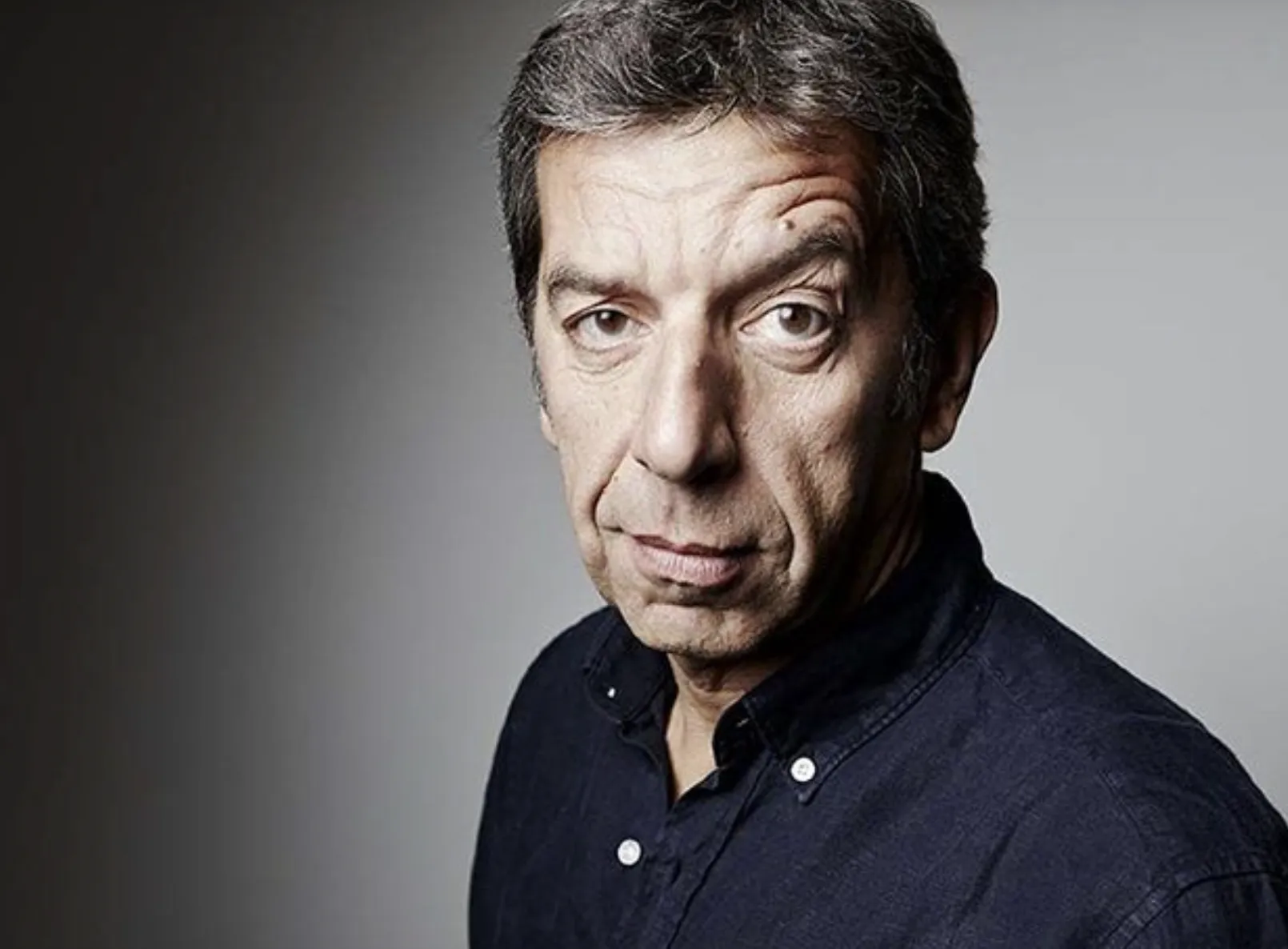
Hacked ! – Episode #3
Cyprien, YouTube Star, Held Hostage by Digital Fraudsters
Cyril Pégard, known by his pseudonym Cyprien, is one of the most influential content creators in the French-speaking world. With over 14.5 million YouTube subscribers and a career built on two decades of online presence, he represents a familiar and reassuring face for millions of young adults. It is precisely this credibility that organised criminal networks chose to exploit from 2024 onwards, by creating deepfake videos in his likeness to promote cryptocurrency investment scams.
This phenomenon is not isolated. It is part of an international wave of digital identity theft targeting French and European celebrities, amplified by the democratisation of generative AI tools now accessible to anyone with a standard computer.
Anatomy of a Scam: How Cyprien’s Deepfakes Were Made and Distributed
The technical production: tools that have become far too accessible
The fraudulent videos featuring Cyprien were produced using face-swapping and voice cloning software now widely available online, sometimes for free. Specialised platforms allow, from just a few dozen seconds of audio recording and publicly available images, the generation of synthetic videos of sufficient quality to deceive an unsuspecting viewer.
In Cyprien’s case, the fraudsters most likely extracted content from his archive of thousands of YouTube videos, a free and public database rich in varied camera angles, facial expressions, and vocal samples. The result: clips of 30 to 90 seconds in which the creator appeared to warmly recommend an investment platform, promising unrealistic returns.
Distribution: social media as the primary vector
These videos circulated primarily on Facebook, Instagram, and YouTube itself, via accounts created for the purpose or hacked to lend reputational cover. Paid advertising played a central role: by purchasing targeted ad placements aimed at audiences subscribed to Cyprien’s channels, the fraudsters maximised the likelihood that victims would recognise the face and trust the message.
The Human and Financial Consequences for Victims
For Cyprien: a reputation attacked from within
For the creator himself, the damage goes beyond the symbolic. Every fraudulent video in circulation erodes the trust his subscribers place in him. Testimonials published on forums such as Reddit France and in YouTube comments show that some fans initially believed the messages were genuine, only realising the scam after the fact, sometimes after losing money. The risk of lasting distrust towards the creator is real, even once the fraud has been exposed.
For financial victims: losses that are rarely recovered
Victims of scams using Cyprien’s image have rarely been able to recover their funds. Fraudulent platforms shut down quickly, and cryptocurrencies are by nature difficult to trace and seize. In the absence of effective recourse, these victims are left facing a legal and financial void that institutions are still struggling to fill.
How to Protect Yourself Against Deepfakes: Practical Advice
For individuals
- Verify the source: a celebrity never promotes a financial investment through a short social media video. This signal alone should be enough to raise suspicion.
- Search for the original video: by performing a reverse image search or looking for the content directly on the person’s official channel.
- Report systematically: using the built-in reporting tools on platforms and via Cybermalveillance.gouv.fr.
- Never invest based on an unverified video recommendation, especially if it promises guaranteed returns with no associated risk.
For content creators and public figures
- Register original content with a blockchain certification service to establish a timestamped and irrefutable proof of prior existence.
- Set up automated monitoring of your name and image using tools such as Google Alerts or dedicated synthetic content detection solutions.
- Communicate publicly and regularly with your community to establish recognisable authenticity markers.
The Role of Blockchain Certification in the Fight Against Deepfakes
As AI-generated content grows increasingly sophisticated, the central question is no longer just about detecting fakes, but about proving the authenticity of genuine content. This is where blockchain certification comes in.
By recording a unique cryptographic fingerprint (a hash) of a piece of content (video, audio, image, or text) on an immutable, timestamped blockchain, it becomes possible to establish irrefutably that a given piece of content existed in a specific form at a specific moment in time, and has not been altered since. This proof of prior existence and integrity constitutes a powerful legal defence tool.
In the event of a dispute, blockchain certification allows its holder to prove before a court that a given piece of content belongs to them, that they are its original author, and that the incriminated version is a falsification. It considerably strengthens the credibility of the claimant in dealings with law enforcement and legal counsel.
Conclusion: Digital Identity, An Asset to Protect Today
Cyprien’s case illustrates a reality that has become structural: any public figure is a potential target for disinformation and fraud networks. The tools to defend against this exist. But proactive protection remains insufficiently adopted.
Certifying your original content is not a luxury reserved for large corporations. It is an accessible, quick, and low-cost step that can make all the difference the day your image is misappropriated.
If you are a content creator, public figure, or business exposed to this risk, discover how the Certiphy.io solution allows you to certify your content in seconds and build solid legal proof. You can also find further analysis on content cybersecurity news on our blog.
📲 See the original post on our Instagram account : Hacked! Épisode #3